
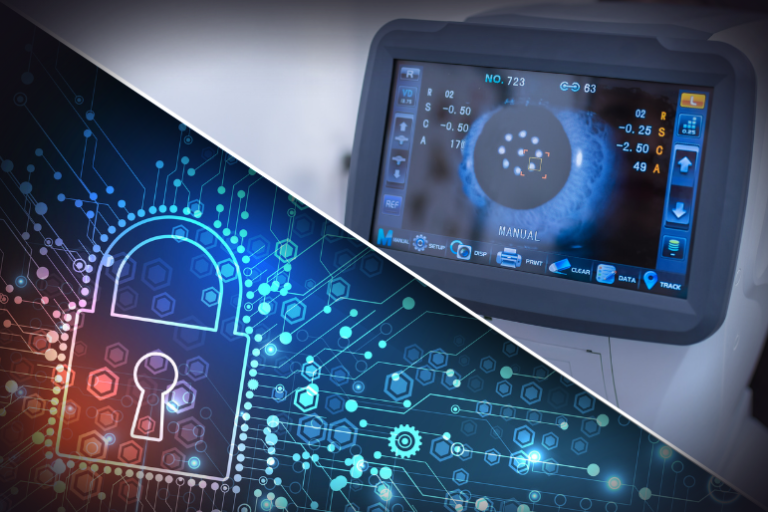
Optometry practices are increasingly targeted by cybercriminals, primarily due to the sensitive patient data they manage daily. Electronic health records, insurance information, payment data, and diagnostic imaging all carry significant value and are difficult to replace if compromised.
Many eye care practices also operate without dedicated internal IT staff. Technology responsibilities are often spread across vendors, office managers, or clinical staff, which can leave gaps in security coverage. Those gaps are exactly what attackers look for.
Practices that implement layered security measures such as email protection, endpoint security, multi-factor authentication, and reliable backups consistently experience far fewer successful breaches. Studies show that organizations using multiple coordinated security layers reduce breach risk by more than 70 percent compared to those relying on a single tool. For optometry practices, this type of defense is no longer optional.
Top Cyber Threats Facing Optometry Practices
Phishing
Phishing attacks remain the most common method by which cybercriminals gain access to healthcare systems. These emails are often designed to look like messages from insurance providers, labs, EHR vendors, or internal staff.
In a busy optometry office, staff are processing emails quickly while juggling patient care, scheduling, and billing. That makes it easier for a malicious message to slip through. One click on a fake link or attachment can expose login credentials or introduce malware into the network.
Ransomware
Ransomware is especially damaging for optometry practices because it can lock access to patient charts, scheduling systems, imaging software, and billing platforms all at once. When systems go down, appointments are cancelled, revenue is delayed, and patient trust is put at risk.
Without secure backups and a clear recovery plan, practices may feel pressured to pay a ransom just to resume normal operations. Even then, there is no guarantee data will be fully restored.
Device Exploits
Optometry practices rely on a wide range of specialized equipment that is not always designed with cybersecurity in mind. Diagnostic devices, imaging systems, tablets, and shared workstations can become easy targets if they are not properly secured.
Unpatched software, outdated operating systems, and shared logins make it easier for attackers to gain a foothold and move laterally through the network.
The 5-Layer Security Model
1. Email Filtering
Email filtering serves as the first line of defense. Advanced filtering tools analyze incoming messages for known threats, suspicious senders, and malicious links before they ever reach staff inboxes.
For optometry practices, this significantly reduces the chance that a phishing email reaches front-desk or billing staff who interact with email constantly throughout the day.
2. Endpoint Protection
Endpoint protection secures every device connected to the practice network. This includes desktops, laptops, and tablets used by clinical and administrative staff.
Modern endpoint tools monitor behavior in real time and can stop ransomware or malware activity before it spreads. This is especially important in environments where multiple users may log into the same workstation.
3. Multi-Factor Authentication (MFA)
Passwords alone are no longer sufficient. Multi-factor authentication adds an extra verification step when logging into email, EHR systems, and cloud applications.
Even if login credentials are compromised, MFA prevents unauthorized access and significantly reduces the risk of account takeovers.
4. Network Security
Network security controls how data and devices communicate within the practice. Firewalls, segmentation, and secure remote access help prevent attackers from moving freely across systems.
For practices with multiple locations or remote access needs, proper network configuration plays a critical role in protecting patient information.
5. Backup and Recovery
Backups are the final safety net. Secure, encrypted backups allow optometry practices to recover from ransomware attacks, accidental deletions, or hardware failures without paying a ransom.
A strong backup strategy includes automated backups, off-site or cloud storage, and routine testing to ensure data can actually be restored when needed.
Why Optometry Devices Increase Risk
Legacy Operating Systems
Many optometry devices run on older operating systems that no longer receive security updates. These systems may be required for compatibility with diagnostic equipment, but they also introduce known vulnerabilities.
Attackers actively search for these weaknesses because they are difficult to patch and often overlooked.
Vendor Restrictions
Some equipment vendors limit the ability to install third-party security tools or apply updates without approval. While this protects device functionality, it can also limit a practice’s ability to fully secure its environment.
This makes coordinated IT management essential. Security controls must be designed to work around vendor limitations without disrupting patient care.
Cybersecurity for optometry practices is about creating a coordinated, layered approach that protects patient data, supports compliance, and keeps systems available when they are needed most.
For practices without in-house IT resources, partnering with a managed service provider can bring structure, consistency, and oversight to an otherwise complex environment. The right MSP helps reduce risk, manage vendor limitations, and ensure security measures work together without disrupting daily operations.
For optometry practices looking to strengthen their IT posture without adding internal strain, a managed approach can make security simpler, more predictable, and far more effective.
