
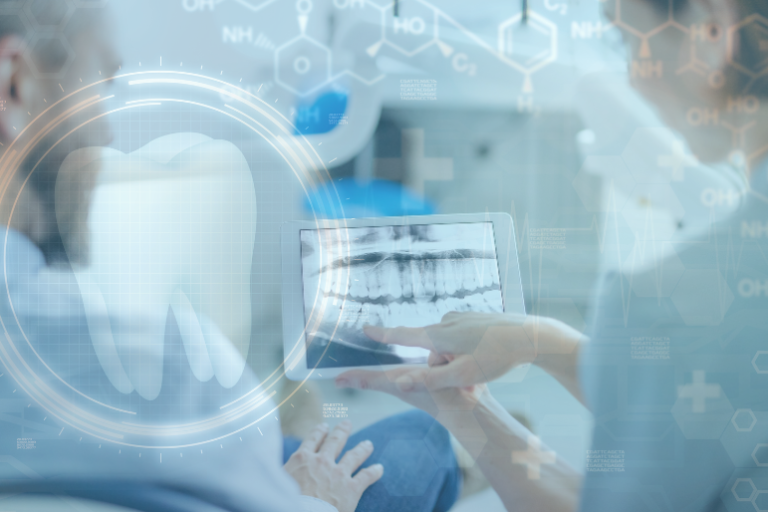
Dental offices using EagleSoft, Dexis, and Sidexis rely on IT systems that must support large imaging files, constant database access, and near-zero downtime during patient hours. These platforms are deeply embedded in daily clinical workflows, which means even short disruptions can delay appointments and impact production.
For practices with 10–30 employees, dental-specific IT support should deliver same-day issue resolution, properly configured servers and networks, and proactive monitoring that prevents software crashes and imaging delays. Offices without dental-focused IT support often experience multiple hours of downtime each month, directly affecting patient schedules and revenue.
How do EagleSoft, Dexis, and Sidexis Depend on IT Infrastructure?
EagleSoft, Dexis, and Sidexis are not standalone applications. Their performance depends on the reliability of the underlying IT environment.
These platforms require stable servers and databases to manage patient records and imaging data without corruption or slowdowns. They also depend on high-speed local networks to move large image files between operatories, imaging rooms, and workstations without delays.
Secure workstation configurations are critical to prevent crashes after updates or user changes, while reliable imaging data storage ensures scans are available instantly during exams. Even small misconfigurations in any of these areas can result in sluggish performance, application freezes, or data integrity issues.
Common IT Problems Dental Offices Experience with These Systems
Dental practices commonly report a consistent set of issues when IT is not designed specifically for dental software.
EagleSoft may slow down during peak hours when multiple users access the database at the same time. Imaging files may fail to load or sync properly, especially when network throughput is limited. Windows updates can trigger software crashes if systems are not tested and staged correctly.
Backup failures are another frequent issue. Large imaging datasets require properly configured backup systems, and many offices do not realize backups are incomplete until data needs to be restored. Network bottlenecks affecting operatories can further compound these problems.
In most cases, these issues are not caused by the software itself. They are the result of IT environments that were never built to support imaging-heavy dental workflows.
What Proper IT Support for Dental Software Includes
Effective IT support for EagleSoft, Dexis, and Sidexis starts with server and database optimization. Systems must be configured to handle concurrent users and high-volume imaging activity without degradation.
An imaging-aware network design ensures sufficient bandwidth and low latency between imaging devices, workstations, and servers. This prevents delays during exams and keeps workflows moving.
Proper support also includes tested and verified backups for both EagleSoft databases and imaging files. Backups must be validated regularly to confirm data can be restored quickly.
Controlled updates and patching are essential. Updates should be evaluated and applied in a way that minimizes disruption and avoids compatibility issues. Finally, fast response during patient hours ensures problems are resolved before they impact the day’s schedule.
Generic IT providers often lack experience in these areas, which leads to trial-and-error troubleshooting and extended downtime.
Why Dental-Specific IT Reduces Downtime and Disruptions
IT providers who regularly support dental environments approach issues differently. They understand how EagleSoft, Dexis, and Sidexis interact with servers, networks, and imaging hardware.
This familiarity allows them to resolve issues faster, avoid unnecessary troubleshooting steps, and coordinate effectively with software and hardware vendors when needed. Understanding vendor dependencies prevents delays caused by misdirected support efforts.
Most importantly, dental-specific IT reduces downtime during patient appointments. Fewer interruptions mean schedules stay on track, staff experience less stress, and production losses are minimized.
Real Dental Office Example
A 12-employee dental practice in Huntsville experienced frequent EagleSoft slowdowns and imaging delays that disrupted patient flow.
After transitioning to dental-specialized IT support:
-
Server performance improved within 30 days
-
Imaging load times were reduced by over 50 percent
-
Downtime during patient hours dropped to near zero
-
Staff no longer needed to reboot systems throughout the day
The improvements allowed the practice to maintain consistent scheduling and reduce daily operational friction.
EagleSoft, Dexis, and Sidexis are central to how modern dental practices operate. Supporting these systems requires more than general IT knowledge. It requires an understanding of dental workflows, imaging demands, and the operational impact of downtime.
For practices that depend on these platforms every day, working with a dental-focused managed service provider helps ensure technology supports patient care instead of interrupting it.
