How Can Law Firms Meet ABA Technology and Data Security Requirements Without Slowing Down Their Practice?

Law firms with 10–25 employees are ethically required to make “reasonable efforts” to safeguard client information under ABA Model Rule 1.6 and related state guidance. In practical terms, this means implementing five to seven core technologies and security controls, not just basic IT support. Firms that fall short risk data breaches, malpractice exposure, cyber insurance…


Which Legal Practice Management Systems Need Support?

Law firms with 10–25 employees typically rely on two to five core software platforms to manage cases, documents, billing, and client communications. Supporting these systems effectively requires more than general IT knowledge. It requires an understanding of legal workflows, deadlines, security requirements, and how these platforms interact with one another. We support and integrate leading…

What Cybersecurity Protections Should a 10–25 Employee Law Firm Have to Protect Client Data and Stay Compliant?

Law firms with 10–25 employees typically require six core cybersecurity protections to reduce their exposure to ransomware, email compromise, data breaches, and extended downtime. For firms in North Alabama, a single security incident can cost $50,000 to $250,000 once recovery expenses, lost billable hours, and reputational damage are factored in. A properly secured law firm…

What Should Dental Offices Expect from IT Support for EagleSoft, Dexis, and Sidexis?

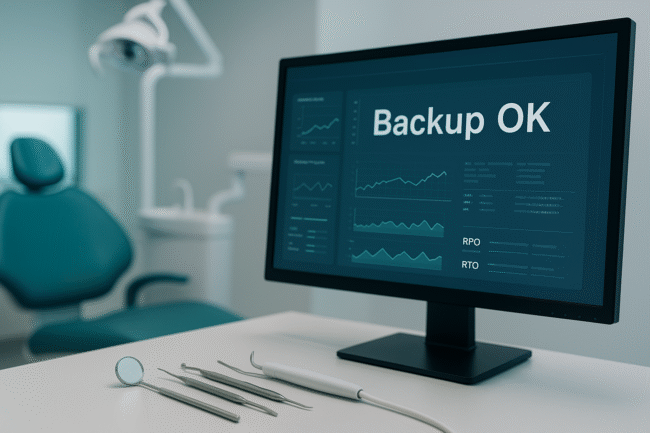
Dental offices using EagleSoft, Dexis, and Sidexis rely on IT systems that must support large imaging files, constant database access, and near-zero downtime during patient hours. These platforms are deeply embedded in daily clinical workflows, which means even short disruptions can delay appointments and impact production. For practices with 10–30 employees, dental-specific IT support should…

Do Dental Practices Need HIPAA-Compliant IT Support?

Yes. Dental practices are required to use HIPAA-compliant IT systems if they handle electronic protected health information (ePHI). This includes patient charts, digital X-rays, imaging files, insurance details, and appointment records stored in practice management systems. HIPAA violations can result in fines ranging from $100 to $50,000 per violation, with annual maximum penalties reaching $1.5…

Who Should Support ZEISS and Topcon Systems in an Optometry Practice?

Optometry practices that rely on ZEISS and Topcon imaging systems need IT support that understands more than basic computers and networks. These systems sit at the intersection of specialized hardware, proprietary software, and clinical workflows. When something goes wrong, delays directly affect patient flow and staff productivity. Generic managed service providers often struggle in these…

How Can Optometry Practices Protect Against Cyberattacks and Ransomware?

Optometry practices are increasingly targeted by cybercriminals, primarily due to the sensitive patient data they manage daily. Electronic health records, insurance information, payment data, and diagnostic imaging all carry significant value and are difficult to replace if compromised. Many eye care practices also operate without dedicated internal IT staff. Technology responsibilities are often spread across…

How Can Optometry Practices Stay HIPAA Compliant Without Disrupting Daily Operations?

Most optometry practices with 10–25 employees spend between $150 and $200 per user per month to maintain HIPAA-compliant IT systems that protect patient data without slowing staff down. Compliance in eye care goes beyond paperwork. It requires a combination of administrative, technical, and physical safeguards, including secure EHR access, encrypted data storage, and a clear…